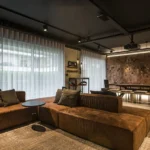
There is an hour, in the afternoon, when any room reveals itself. That’s why I rarely decide on a project in the morning.
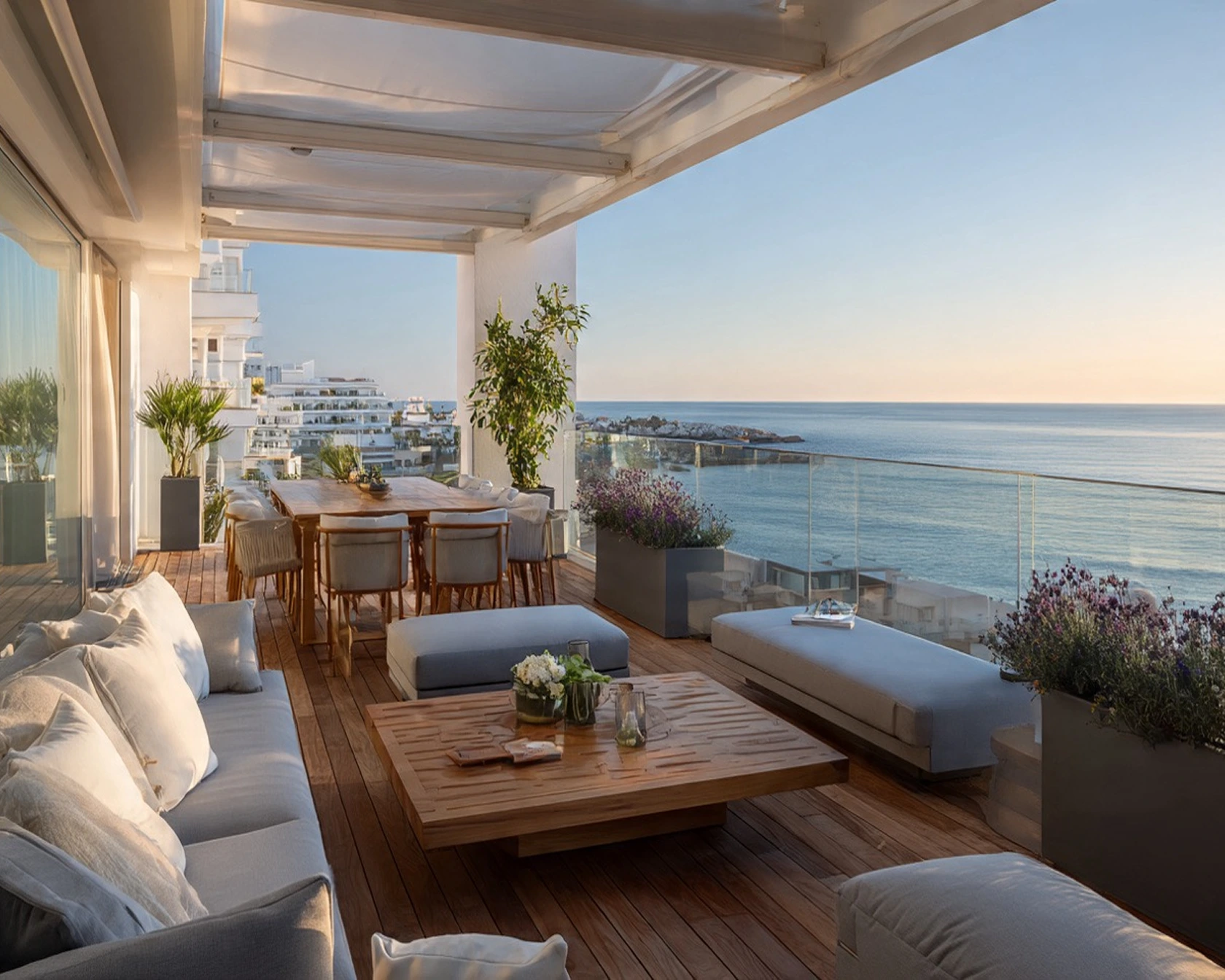
At that hour the light drops low, crosses the room horizontally, and exposes everything. The texture of poorly smoothed plaster. The excessive shine of a lacquer. The wrong proportion of a piece of furniture against the wall that, at noon, seemed fine.
In the morning the light is generous and forgiving. At the end of the day it forgives nothing, and that’s what makes it useful.
The right time for a visit
When I visit a house for the first time, I always ask to return in the late afternoon. I don’t bring samples or even my notebook. I stand in the middle of the room and see where the light enters, where it hits, and where it dies. I see how long it takes to cross the floor and in which corner the shadow gets trapped.
Half the decisions about an interior are born from that, long before there’s a floor plan or a palette. The place where you read at the end of the day is a choice of light before it’s a choice of furniture. Everything else follows.
There are north-facing houses where I would never propose a cool tone, no matter how good it looks in a photograph. And there are west-facing rooms where a pure white becomes unbearable at seven in the evening.
The mistake starts in the showroom
The most common mistake I encounter has nothing to do with good or bad taste. Materials are chosen in a showroom lit by cold LED, at noon, with the sample in hand and the light always the same. Then people are surprised that at home they’re not the same thing.
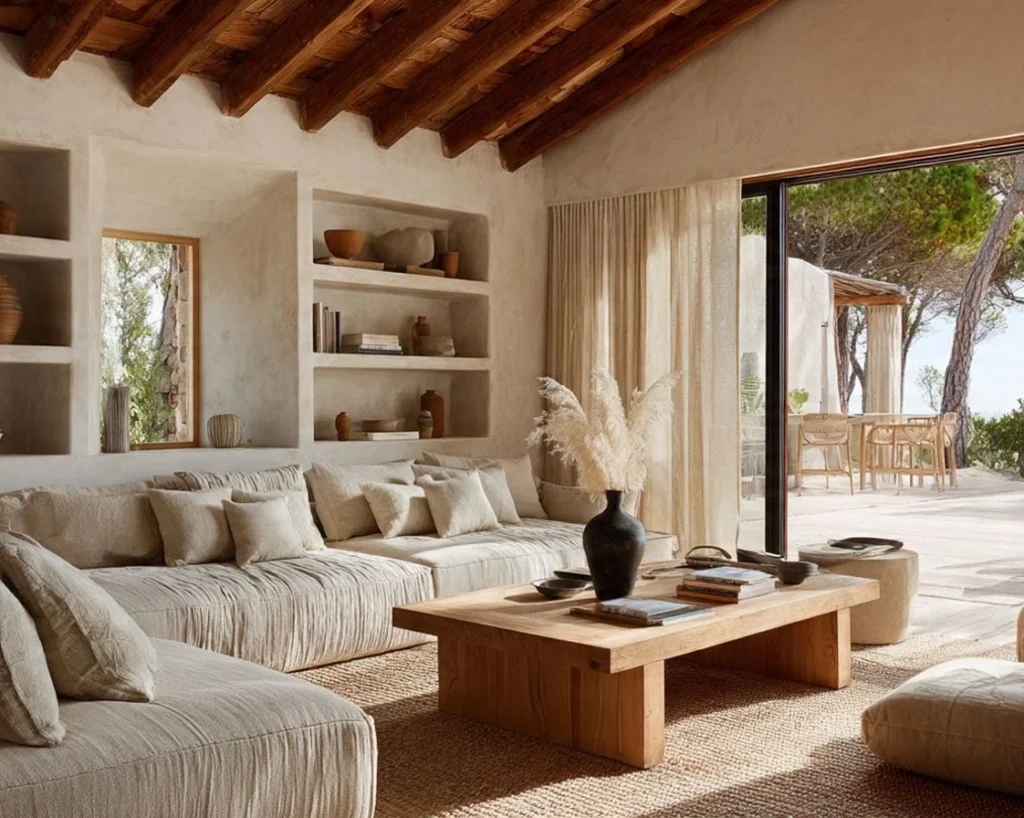
They’re not. They never were. The same linen sample seen at ten in the morning, at four in the afternoon, and at nine at night gives three different answers, and only one of them matters: the one from the hour when that room will actually be used.
That’s why I always ask for samples to stay in the house for a few days. Not on the kitchen table, but on the wall they’re intended for and at the height they’ll be. It costs nothing and avoids months of regret.
A house lives twenty-four hours a day. A photograph only captures one of them.